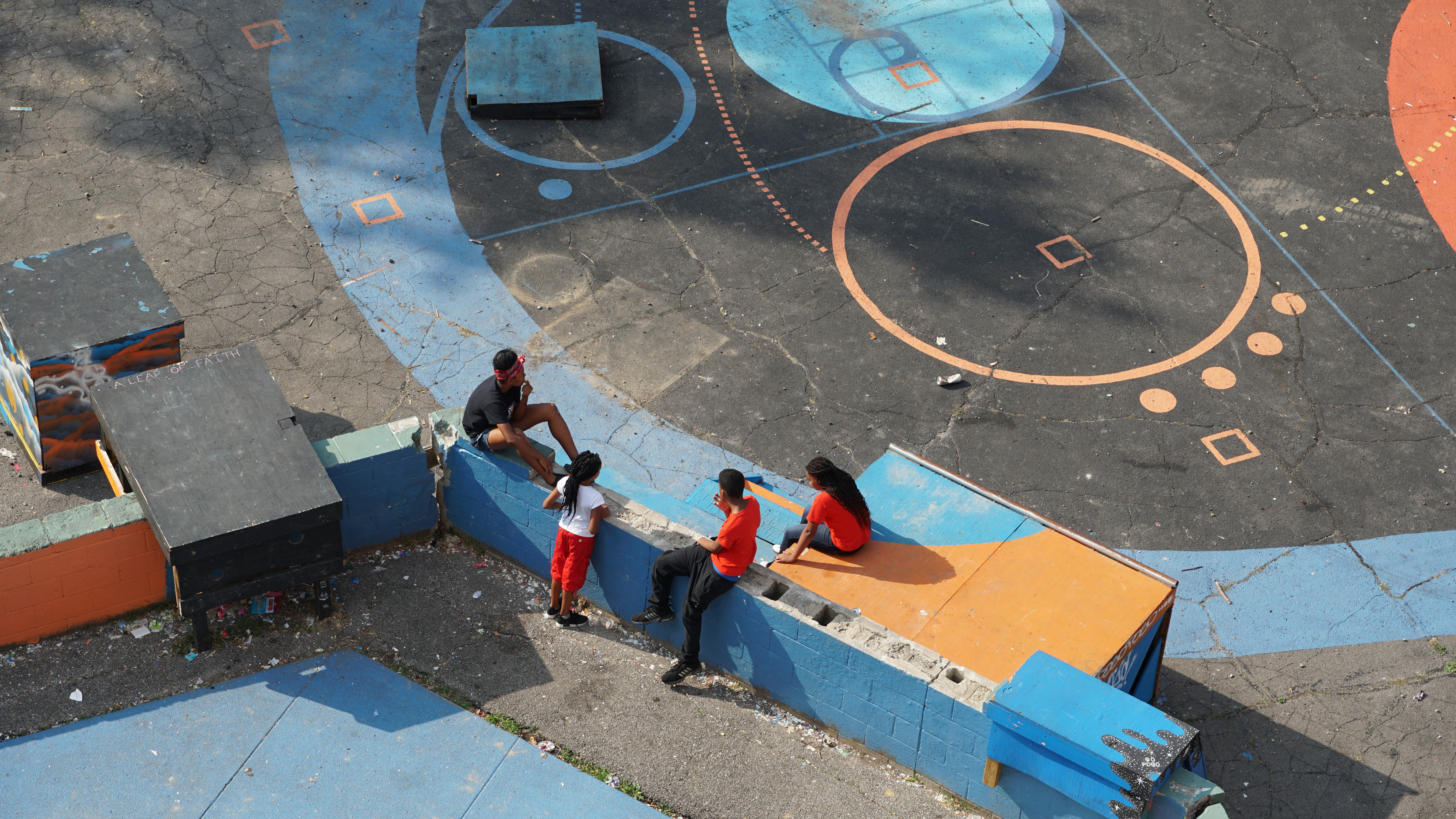
“Community Forge,” Wilkinsburg, PA, 2019. Digital photograph. Courtesy Stefan Gruber
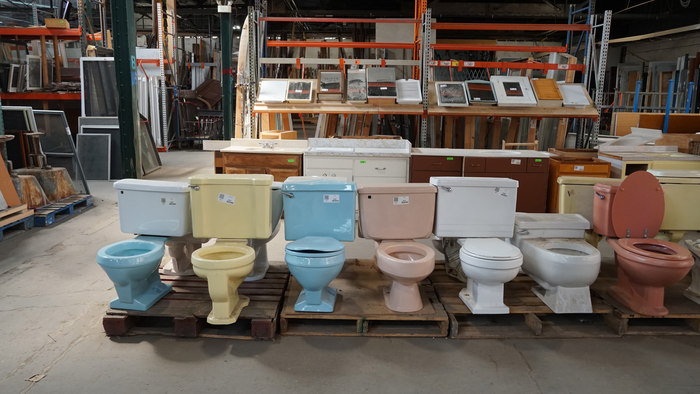
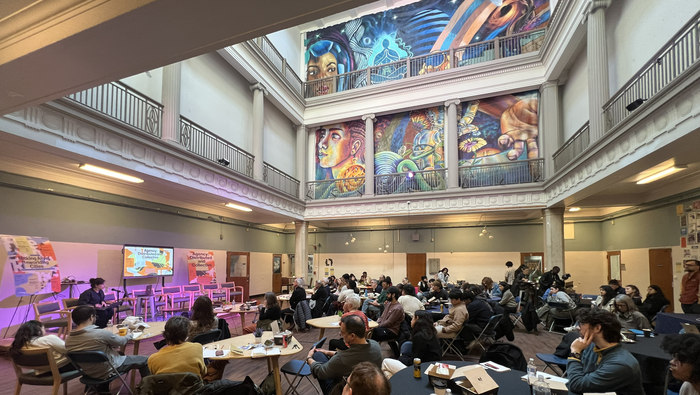
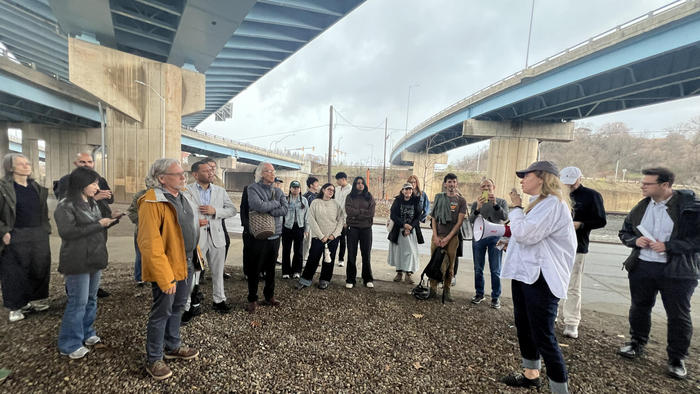
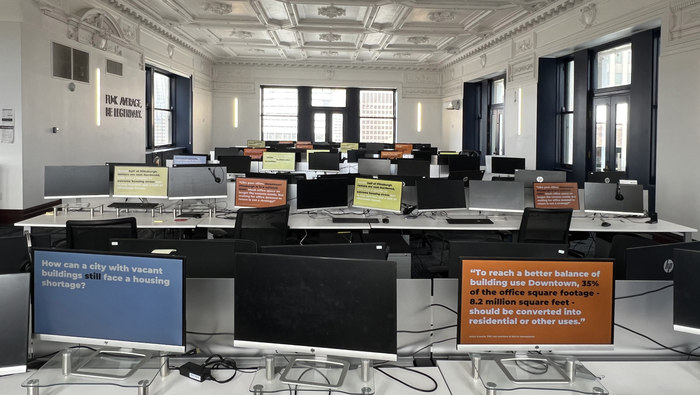
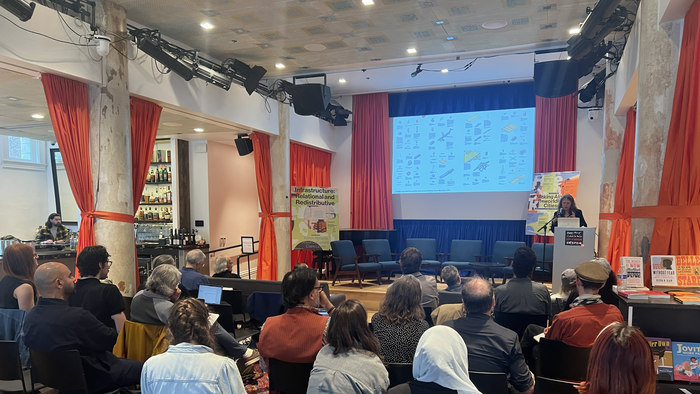
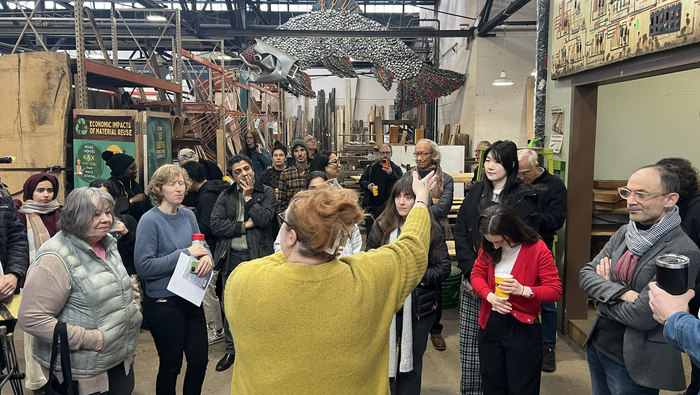
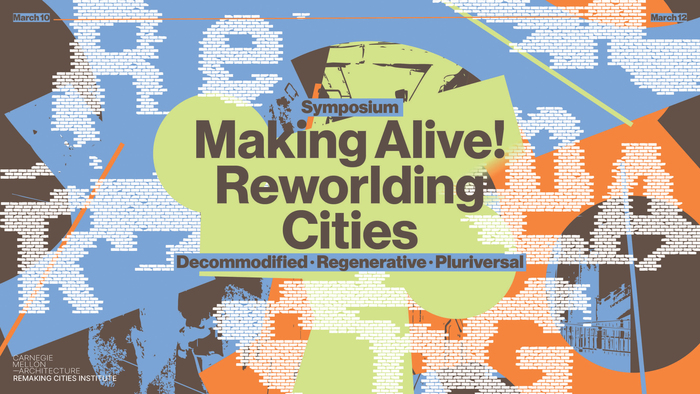
Making Alive! Reworlding Cities argues that contemporary cities must be rethought beyond financialization and extractive growth, advancing reworlding as a practice that understands the city as a relational field of interdependence. The volume builds on the eponymous symposium convened by Carnegie Mellon's Remaking Cities Institute in the Spring of 2026, that opened with a keynote dialogue between David Bollier and Arturo Escobar, framing the city as alive and pluriversal, shaped by diverse knowledges, shared stewardship, and collective governance. Positioning Pittsburgh as a portal for imagining decarbonized and convivial urban futures, the book examines systemic conditions of urbanism—an idle office tower and an aging highway—alongside everyday architectures of collective life, including a regional materials-reuse hub and a former school transformed into a community anchor. These sites generate four interrelated themes: Ownership (decommodified and shared), Infrastructure (relational and redistributive), Metabolism (adaptive and regenerative), and Agency (distributed and collective). Essays, dialogues, and design projects trace how these orientations take material form in land policy, adaptive reuse, ecological repair, and emergent governance.
Sarosh Anklesaria is associate teaching professor and track chair of the Master of Architecture program at Carnegie Mellon University, and recipient of the 2025 Henry Hornbostel Award for Excellence in Teaching. His work advances an expansive notion of architectural agency, bringing architecture’s formal and tectonic capacities into dialogue with socioecological questions. His recent projects examine the afterlives of modernism in South Asia and architectures of just transitions in post and deindustrializing contexts. Drawing on pluriversal as well as modernist traditions, his research connects design to questions of repair, materiality, and futuring. Anklesaria has taught at Yale, Cornell, Syracuse, Pratt, Taliesin, Indus Valley, and CEPT, and practiced with Diller Scofidio + Renfro, Herzog and de Meuron, and Sangath. His work appears in the Journal of Architecture Education, The Plan Journal, The Architect's Newspaper, The Architecture Review, Domus, and other venues. He is coeditor of Building and Unbuilding the City Museum (Routledge, 2026).
Stefan Gruber serves as David Lewis/Heinz Endowments Director of the Remaking Cities Institute and track chair of the Master of Urban Design program. His research centers spatial justice, commoning, and alternatives to market- and state-driven urbanism. Gruber cocurated An Atlas of Commoning, a travelling exhibition and collaborative learning platform, which has iterated in Berlin, Pittsburgh, Montevideo, Buenos Aires, and Tbilisi since 2018. Gruber has contributed to the International Architecture Biennale of Rotterdam (2024), the Tbilisi Architecture Biennial (2020 and 2024), the Chicago Architecture Biennial (2019 and 2021), and the Vienna Biennale (2015). Gruber has been published in Arch+, Le Monde Diplomatique, Bracket, Future Architecture, New Geographies, and MonU, and his interdisciplinary research project Spaces of Commoning was documented in the eponymous book (2016). Gruber’s work has been supported by the Graham Foundation, United States Department of Energy, Viennese Science and Technology Fund, and The New Institute (Hamburg), amongst others.
Tuliza Sindi is a Burundian-South African architect, educator, researcher, and curator whose work interrogates land, property, and spatial politics. She founded Unit 19, a graduate design-research studio at the University of Johannesburg (2020–22). Awarded the Ann Kalla Professorship (2023–25), she serves as Carnegie Mellon—Architecture’s curator of public programs and director of publications. Sindi has lectured and reviewed internationally at institutions including Yale, Columbia, Iowa State, Sheffield, and INDA, Thailand. Sindi cofounded room19isaFactory., a cross-disciplinary collective developing “Unreasonable Architecture,” which challenges modernist logics to imagine alternative cosmologies and modes of society-making. The collective has presented work in Johannesburg, Accra, and Malmö. Her forthcoming book, Inventory of Unreasonable Wallmaking and coeditorship of two editions of the cultural magazine iLiso Ekapa extend this agenda. Sindi cocurated the African exhibition for Saison Africa 2020, leading to the Graham Foundation–supported platform her(e); otherwise. She has been recognized among Africa’s leading women architects for her contributions to global architectural discourse
The Remaking Cities Institute (RCI) is Carnegie Mellon University’s research platform for urbanism, participatory action, and community design. Grounded in Pittsburgh and informed by planetary challenges, RCI mobilizes research and design to support communities in shaping more just, regenerative, and self-determined urban futures.

 03/10/2026: Making Alive! Reworlding Cities